
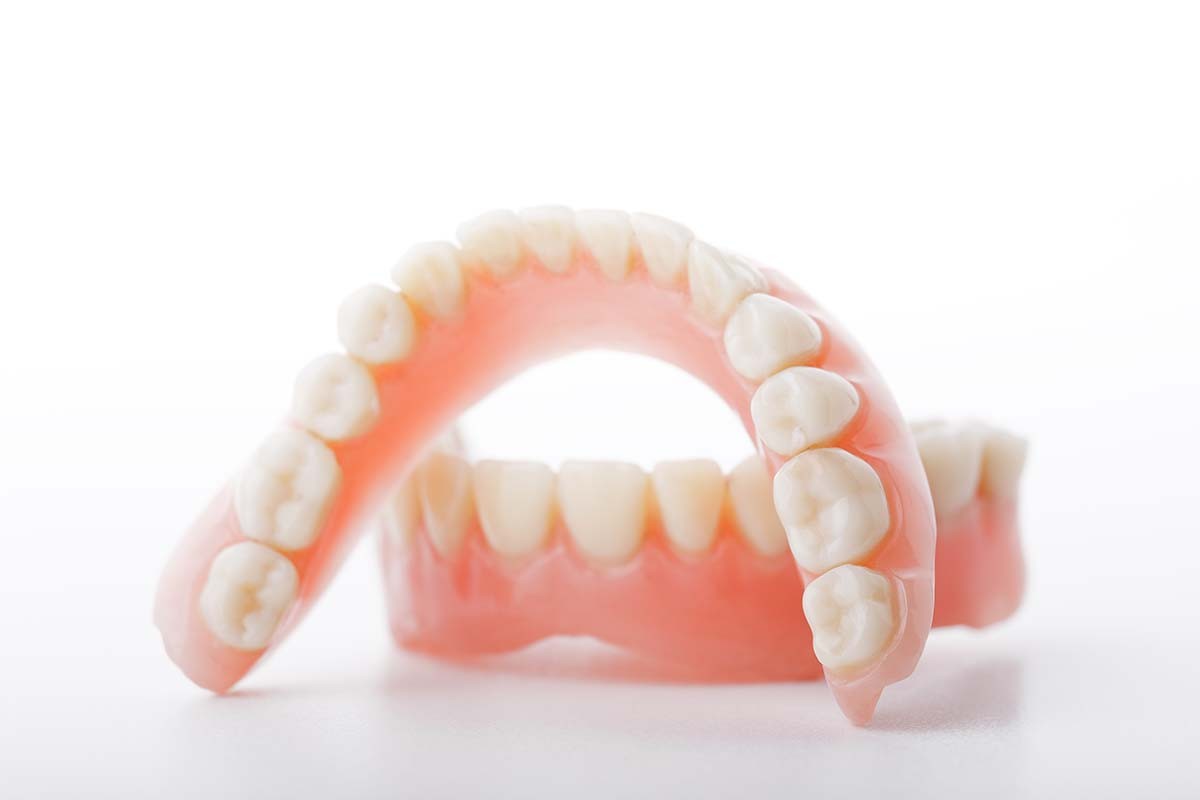
Denture adhesives can be useful for some people, but the “strongest” product is not automatically the right answer to a loose denture. Start by asking whether the denture fits properly and which type of adhesive, if any, is appropriate for it.
Start with a fit check and the instructions on your actual product. Formulas and availability change, and a product that works for one person may not suit another.
Denture Adhesives Do Not Replace a Fit Check
The American Dental Association’s denture care guidance explains that adhesives are not a remedy for an ill-fitting denture. A denture that is loose or uncomfortable may need adjustment, relining or replacement.
If you are using increasing amounts of adhesive or repeatedly applying it to keep the denture in place, arrange a dental review. Tell the clinician when the problem occurs, whether the denture feels different during meals and whether there are sore areas. Bring the denture and the product you are using to the appointment.
How to Compare Denture Adhesive Products
Adhesives are available in several forms, including creams, powders and strips. Rather than choosing from an old “best overall” list, ask the dental team which format is compatible with your denture and manageable for your routine.
Before using a product, check its current instructions and discuss any uncertainties. Questions to ask include:
- Is adhesive appropriate for this denture and its present fit?
- How much should I use and how often?
- How should the product be removed during cleaning?
- Does the product contain ingredients I should discuss with my clinician?
- What should I do if the product causes irritation or does not help?
The ADA’s patient information about dentures advises following product directions and notes that a dentist can recommend cleansers and adhesives. Ask about products with the ADA Seal of Acceptance as part of that conversation.
Use the Instructions for Your Actual Product
Do not assume that a cream, powder and strip use the same amount or application method. Keep the packaging so you can review the directions and show them to the team. If the instructions are unclear, ask before using the product.
Some denture adhesives contain zinc. The ADA guidance discusses concerns with overuse and recommends following the product instructions. More adhesive is not necessarily better. Avoid using an article, a social-media tip or a friend’s routine as a substitute for the directions that apply to your product.
Discuss Cleaning and Your Daily Routine
Ask the team to demonstrate how to remove adhesive from the denture and your mouth, and which cleaning products are appropriate for the denture material. Explain any difficulty handling the denture, reading small instructions or keeping up with the routine.
The Oral Health Foundation’s adhesive guidance also emphasizes reviewing loose dentures rather than using repeated applications to compensate for poor fit. Bring practical concerns to the appointment so the advice can be tailored to your needs.
When to Ask About Other Denture Options
If your current denture no longer meets your needs, ask about the reasons and suitable next steps. Our dentures and partials page introduces conventional replacement options. You can also discuss implant overdentures if you want to compare a removable implant-connected restoration.
Those options require their own assessment. Ask about treatment stages, maintenance and estimated costs before choosing a new approach. A product recommendation alone cannot answer whether a denture should be repaired, relined or replaced.
What to Bring to a Denture Fit Review
Bring the denture, the adhesive packaging and a description of when the fit changes or where it rubs. Tell the clinician how often you reapply adhesive and how you remove it when cleaning. This helps the team review the denture and the product together. See our dentures and partials page for replacement and fit questions.
Arrange a Denture Review in Los Angeles
Dr. Arman Torbati’s Los Angeles practice can discuss your denture concerns and the questions you have about fit and care. Contact our team to arrange a consultation and bring your current denture and adhesive to the visit.