Maxillofacial prosthetics is a highly specialized branch of prosthodontics that restores missing or deficient oral and facial structures to improve function, appearance, and quality of life. Patients seek this care after head and neck cancer, trauma, congenital conditions, or complex defects affecting speech, swallowing, chewing, and facial symmetry. As a Harvard- & USC-trained, board-certified prosthodontist, Dr. Arman Torbati provides precise, compassionate treatment plans that integrate surgical, oncologic, and rehabilitative needs.
What Is Maxillofacial Prosthetics?
Maxillofacial prosthetics designs and fabricates custom devices to replace or support oral and facial structures. These prostheses may restore palatal defects for proper speech and swallowing, replace portions of the jaw or dentition for chewing efficiency, or improve facial form when surgery or trauma has altered appearance. Treatment is collaborative—often coordinated with surgeons, ENTs, oncologists, speech therapists, and restorative dentists—to achieve predictable, long-term outcomes.
Common indications include:
- Post-oncologic defects (e.g., after maxillectomy or mandibulectomy)
- Traumatic injuries to the jaws, palate, or facial soft tissues
- Congenital anomalies (e.g., cleft palate–related insufficiency)
- Neuromuscular disorders affecting palatal function and speech
- Complex intraoral defects leading to regurgitation, hypernasal speech, or impaired mastication
Types of Maxillofacial Prostheses We Provide
Obturators (Surgical, Interim, Definitive): Close palatal/maxillary defects to restore speech, swallowing, and separation of oral–nasal cavities.
Mandibular Guidance & Stabilization Prostheses: Re-train the jaw after segmental resection to improve chewing and midline guidance.
Palatal Lift / Speech-Aid Prostheses: Support velopharyngeal closure for clearer speech when soft-palate movement is insufficient.
Facial Support Through Intraoral Prosthetics: Re-establish lip/cheek support and vertical dimension when dentition and ridge anatomy are altered.
Implant-Assisted Intraoral Restorations: Improve retention and stability for complex defects using endosseous implants where appropriate.
Protective / Therapeutic Appliances: Post-surgical stents, radiation carriers, and devices that protect grafts or guide tissue healing.
When esthetic tooth replacement is needed, we may pair these therapies with: Implant-Supported Restorations, Dental Crowns, Dental Veneers, or Full Mouth Reconstruction.
Our Process
- Comprehensive Evaluation: Medical and surgical history, defect mapping, speech and swallow considerations, and functional goals.
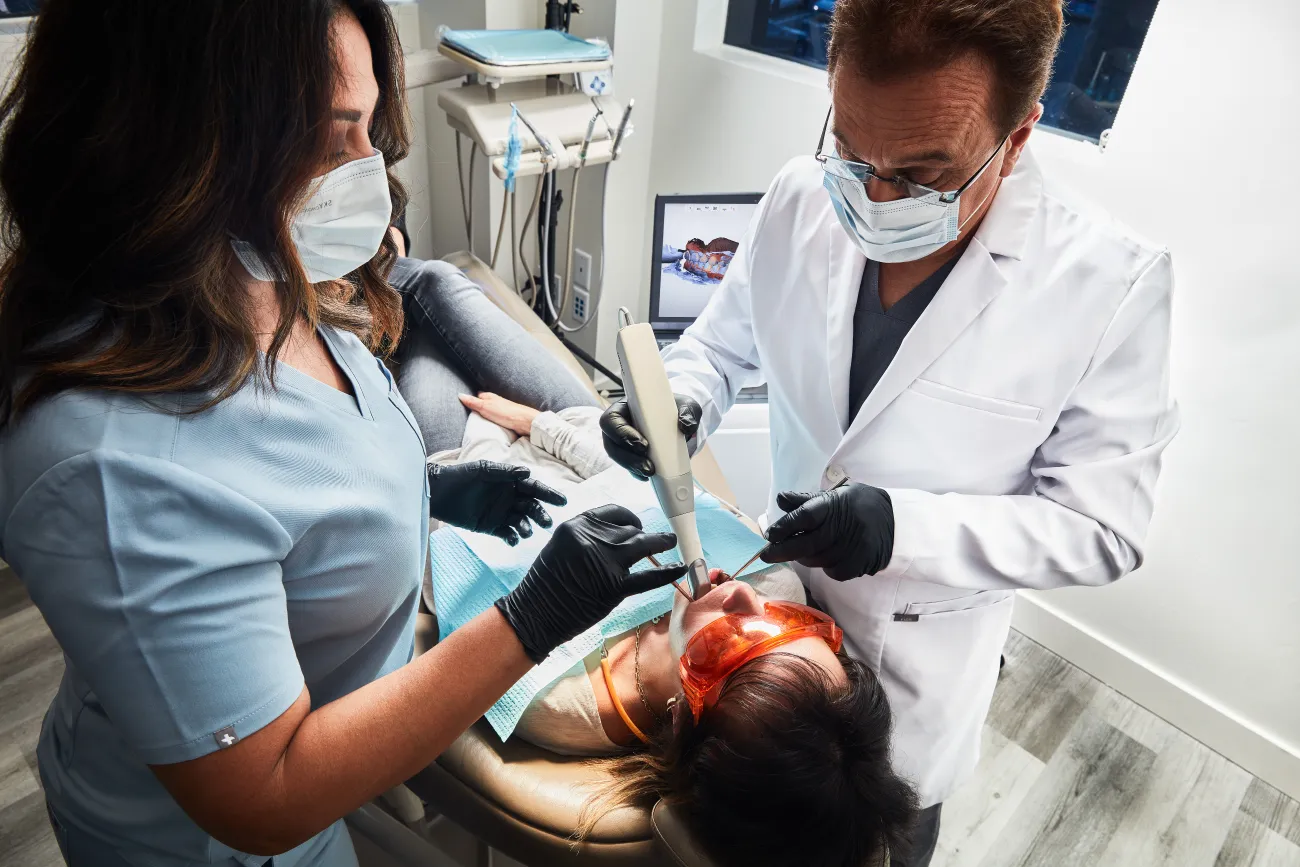
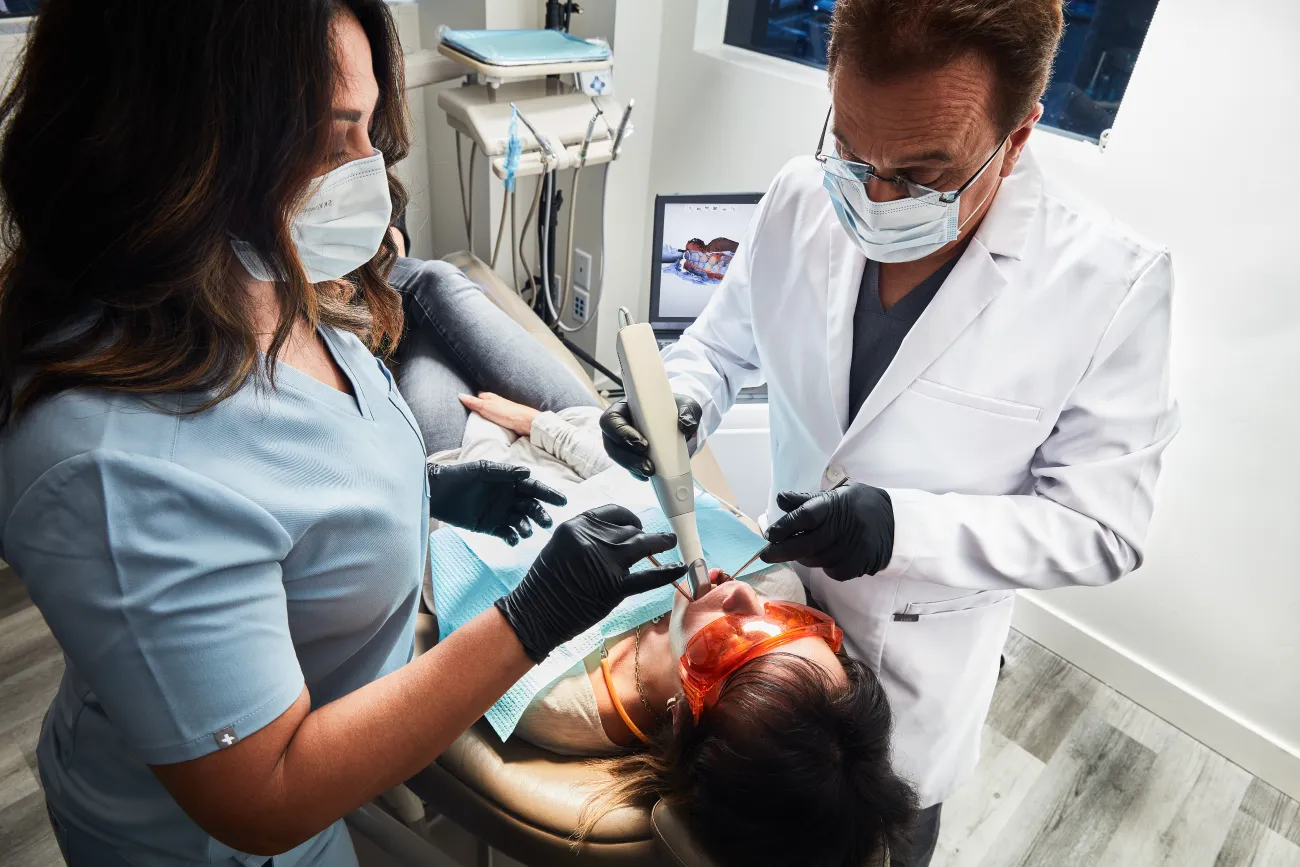
- Digital Planning & Impressions: High-resolution scans and precise impressions for accurate margins and comfortable borders.
- Prosthesis Design: Selection of materials (acrylics, silicones, titanium frameworks, attachments) to balance durability, hygiene, and comfort.
- Try-In & Functional Assessment: Evaluate speech resonance, swallowing competence, retention, and comfort; refine borders and occlusion.
- Delivery & Training: Instruction for insertion/removal, cleaning, and gradual adaptation.
- Follow-Up & Maintenance: Periodic adjustments for tissue changes, oncologic surveillance support, and hygiene reinforcement.
Why Choose a Prosthodontist for Maxillofacial Prosthetics?
These cases demand mastery of occlusion, materials science, defect anatomy, implant biomechanics, and speech/swallow function. As a board-certified prosthodontist with Harvard & USC training and over 25 years of complex rehabilitation experience, Dr. Torbati designs prostheses that precisely interface with tissues, balance bite forces, and address speech and swallowing goals. This specialty approach improves comfort, durability, and long-term adaptability—especially critical for oncologic and trauma patients.
Benefits of Maxillofacial Prosthetic Care
- Functional restoration: Improved speech clarity, swallowing, and chewing efficiency
- Anatomic separation: Proper oral–nasal partitioning to prevent regurgitation
- Facial support & symmetry: Enhanced esthetics and confidence
- Stability & comfort: Better retention, less irritation, and reliable day-to-day use
- Interdisciplinary continuity: Seamless collaboration with surgical and therapy teams
Maxillofacial prosthetics can meaningfully restore function and quality of life after cancer surgery, trauma, or congenital conditions. With careful evaluation, digital planning, and specialty-grade prosthesis design, patients achieve better speech, swallowing, chewing, and facial support—backed by ongoing maintenance and interdisciplinary care.
Maxillofacial Prosthetics: Frequently Asked Questions
What is maxillofacial prosthetics?
It is a subspecialty of prosthodontics focused on restoring oral and facial structures after cancer surgery, trauma, or congenital conditions to improve speech, swallowing, chewing, and appearance.
Who benefits from this treatment?
Patients after head and neck cancer (e.g., maxillectomy, mandibulectomy), facial or dental trauma, cleft-related defects, velopharyngeal insufficiency, and complex intraoral defects affecting speech and swallowing.
What types of prostheses are used?
Obturators (surgical, interim, definitive), palatal lift or speech-aid prostheses, mandibular guidance devices, implant-assisted restorations, and protective/therapeutic appliances.
Will an obturator improve my speech and swallowing?
Yes. Obturators re-establish oral–nasal separation to reduce nasal air escape and improve resonance and swallowing efficiency when properly designed and adjusted.
Are implants helpful for retention and comfort?
When anatomy and health permit, endosseous implants can significantly improve retention, stability, and comfort of intraoral prostheses.
How soon after surgery can prosthetic care begin?
Surgical obturators are often placed immediately; interim and definitive devices follow as healing stabilizes. Timelines are coordinated with your surgical and oncology teams.
What does follow-up care involve?
Periodic adjustments for tissue changes, relines, hygiene guidance, and ongoing collaboration with your medical team to support comfort and long-term function.
Let’s Make Things Happen
Call today to schedule your dental consultation and explore the treatment options.
After years of feeling insecure about my smile, Dr. Torbati introduced me to the All on 6 dental implants. The results are nothing short of life-changing! My teeth look natural, and the comfort level is incredible. I can’t thank Dr. Torbati and his Los Angeles team enough for restoring my confidence.